Discover why Smith County homeowners trust Rapid Granite for professional flooring installation, from hardwood to luxury vinyl, with veteran-owned reliability.
Share:
Summary:
Smith County homeowners have more flooring choices than ever, but not every option makes sense for every situation. Your decision impacts everything from your daily routine to your home’s resale value.
The most popular choices locally include hardwood, luxury vinyl plank, tile, and laminate. Each brings different benefits and challenges, especially considering our East Texas climate with its humidity swings and occasional severe weather.
Your existing subfloor condition matters more than most people realize. Many homes built in the 1980s and 1990s—which represents a significant portion of Smith County’s housing stock—may need additional prep work before installation can begin.
East Texas weather puts specific demands on flooring materials that don’t exist in drier climates. Humidity levels can swing dramatically between seasons, and this affects different materials in different ways.
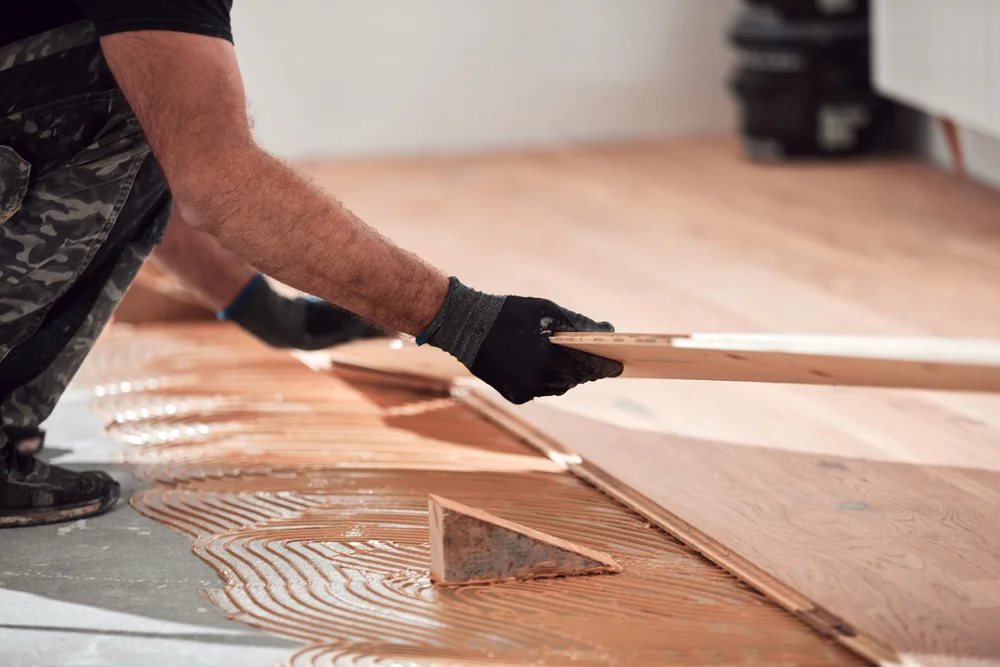
Hardwood floors, while beautiful and valuable, need proper acclimation time before installation. Rush this process, and you’ll see gaps in winter and buckling in summer. The key is working with installers who understand that our 70%+ humidity summers require different preparation than what works in Arizona or Colorado.
Luxury vinyl plank has gained popularity here precisely because it handles these conditions well. It won’t expand and contract like wood, won’t crack like some tiles, and performs consistently regardless of humidity changes. However, the subfloor still needs to be properly prepared—something that gets skipped too often.
Tile works exceptionally well in bathrooms and kitchens, but the grout selection matters. Standard grout can fail quickly in high-humidity environments, while epoxy-based options last longer but cost more upfront. The installation quality makes all the difference in how long your investment lasts.
East Texas weather puts specific demands on flooring materials that don’t exist in drier climates. Humidity levels can swing dramatically between seasons, and this affects different materials in different ways.
Hardwood floors, while beautiful and valuable, need proper acclimation time before installation. Rush this process, and you’ll see gaps in winter and buckling in summer. The key is working with installers who understand that our 70%+ humidity summers require different preparation than what works in Arizona or Colorado.
Luxury vinyl plank has gained popularity here precisely because it handles these conditions well. It won’t expand and contract like wood, won’t crack like some tiles, and performs consistently regardless of humidity changes. However, the subfloor still needs to be properly prepared—something that gets skipped too often.
Tile works exceptionally well in bathrooms and kitchens, but the grout selection matters. Standard grout can fail quickly in high-humidity environments, while epoxy-based options last longer but cost more upfront. The installation quality makes all the difference in how long your investment lasts.
Want live answers?
Connect with a Rapid Granite expert for fast, friendly support.
The contractor you choose matters more than the flooring material itself. Poor installation can ruin premium materials, while skilled work makes even budget options perform well and last longer.
Start by verifying licensing and insurance. Texas doesn’t require flooring contractors to hold state licenses, but many municipalities have local requirements. More importantly, proper insurance protects you from liability if someone gets hurt or property gets damaged during installation.
Experience with your specific material type matters. Installing luxury vinyl requires different skills than hardwood or tile. Ask about recent projects similar to yours and request references you can actually contact.
Certain warning signs predict installation problems before they happen. Door-to-door solicitors, especially after severe weather, often represent companies that won’t be around for warranty issues.
Extremely low bids usually mean corners get cut somewhere. This might involve substandard materials, rushed installation, or skipping preparation steps that ensure longevity. Remember, you can’t get premium results at bargain-basement prices.
Contractors who demand full payment upfront raise red flags. Professional operations typically request a small deposit to order materials, with the balance due upon completion. Be especially wary of cash-only deals or pressure to sign contracts immediately.
Poor communication during the estimate process often continues throughout the project. If a contractor can’t clearly explain the work process, timeline, or answer basic questions about materials, that’s not going to improve once work begins.
Lack of proper insurance documentation should end the conversation immediately. Don’t accept expired certificates or promises to “get you that paperwork later.” Legitimate contractors carry current coverage and provide proof without hesitation.
Quality estimates involve more than measuring square footage and multiplying by material cost. Thorough contractors assess subfloor conditions, discuss removal and disposal of existing flooring, and identify potential complications before work begins.
Detailed written estimates protect both parties. Look for breakdowns that separate materials, labor, preparation work, and additional services like furniture moving or disposal. Vague estimates that lump everything together often hide surprises that appear later.
Multiple estimates help you understand fair pricing, but don’t automatically choose the lowest bid. Compare what’s included, material quality specifications, and warranty terms. Sometimes paying more upfront saves money long-term through better materials or more thorough preparation.
Ask about potential additional costs during the estimate process. Common extras include subfloor repairs, additional underlayment, or modifications around fixtures and cabinets. Understanding these possibilities prevent budget shock if they become necessary.
Timeline discussions should include realistic expectations for material delivery, weather delays, and other factors beyond the contractor’s control. Contractors who promise unrealistic completion dates often cut corners to meet them.
Quality flooring installation represents a significant investment in your home’s comfort, appearance, and value. The decisions you make now affect your satisfaction for years to come.
Focus on finding contractors who understand local conditions, use proper installation techniques, and stand behind their work with meaningful warranties. Don’t let price alone drive your decision—the cheapest option often costs more in the long run through repairs, replacements, or reduced home value.
When you’re ready to move forward with your flooring project, we bring veteran-owned reliability and comprehensive expertise to Smith County homeowners. Our experience with everything from luxury vinyl to custom hardwood installations, combined with our commitment to quality workmanship, ensures your investment delivers the results you expect.
Article details:
Share:
Continue learning: